
Top Attractions to Visit in Lodhi Garden Delhi
It also has some of the best Squinches that I have seen in Delhi monuments. A family seems to be buried in this tomb, which is fairly well preserved from the outside but is totally ignored inside. The inside of the tomb has a high dome, with a painted ceiling and beam and lintel entrances in red sandstone.
Sikandar Lodhi’s Tomb
It's a quiet place to take some time out from the hustle and bustle of the city. This place contains tombs and other structures of the 15th and 16th centuries. Lodhi Garden, one of the calmest and most historical places in Delhi, has buildings from the Mughal era and many plants. Many groups and organizations in Delhi use this garden for historical walks. Lodhi Gardens is one of the best places in Delhi to learn about history.
From there, walk north on Sri Aurobindo Marg and turn east on to Lodhi Road; the gardens will appear on the left. At the South End Road entrance to the gardens is a lovely stone bridge called Athpula (literally “eight piers”), said to date from the 17th century and is attributed to Nawab Bahadur, a nobleman at Akbar’s court. Sikander Lodhi’s tomb, built by his son in 1517, is also an octagonal structure decorated with Hindu motifs. In the middle of the garden facing the east entrance from Max Mueller Road is the largest of the structures, Bara Gumbad (“Big Dome”), a mosque built in 1494.
Mysteries of Shisha Gumbad at Lodhi Garden:
The market also has its own metro station (Khan Market Metro) on the Violet line. The Khan Market is a 10 minute walk from the northern entrance to Lodhi Gardens or a quick rickshaw ride from the south! It is not a very budget friendly area but sometimes you do just need to treat yourself!
Spanning the tranquil waters of a channel within Lodhi Gardens, the Athpula Bridge, also known as the Khairpur Bridge, stands as a marvel of Mughal-era engineering and design. The Bada Gumbad, or “Big Dome,” commands attention with its massive dome and imposing presence, hinting at the architectural ambitions of its builders. Despite its modest size, the Sheesh Gumbad emanates an aura of quiet elegance, drawing visitors into its hallowed confines.
Best Winter Destinations in India for Snowfall
- Lodhi Garden is open throughout the week.
- You can conveniently park near the entrance without any charges, making your visit even more accessible and budget-friendly.
- Ala-ud-din Alam Shah erected the first monument in the garden, the Mausoleum of Mohammed Shah, in 1444.
- It stands as proof that with careful planning, thoughtful design, and community commitment, we can create urban spaces that honor history, support biodiversity, and provide joy to all who enter.
- A camera is highly recommended to capture the beautiful combinations of architecture, landscape, and natural light.
Lodi Gardens is not only a peaceful place to relax, but it also offers a range of facilities to make your visit comfortable and enjoyable. Sometimes, places like Lodi Gardens have special days or times when entry is free, even if tickets are generally required. Plan your visit around these timings to make the most of your trip!

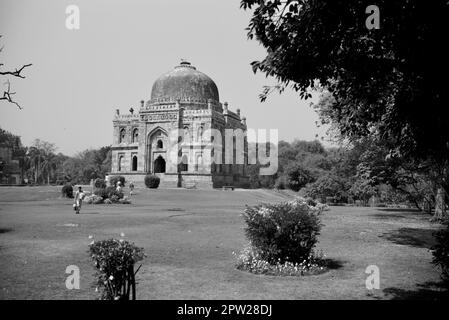
Plasterwork with Quranic calligraphy adorns the ceiling, which is a depiction of both Hindu and Islamic architecture. Even now, the battlements may be found in this tomb. Sikander Lodhi’s mausoleum is modeled after Shah’s tomb and is an excellent example of this construction style. Some historians believe the Bada Gumbad was erected as a doorway to the mosque, although it is commonly thought of as a distinctive tomb. However, it isn’t a tomb but rather a passageway to a nearby three-domed mosque. The Bara Gumbad, a huge rubble dome, is located centrally in the Delhi Lodhi Garden.
The park's diverse ecosystem makes it an ideal location for educational programs focused on environmental conservation and biodiversity awareness initiatives, aimed at fostering an appreciation for the natural world among visitors young and old alike. Additionally, specialised areas within the gardens, such as the National Bonsai Park, showcase over 250 varieties of bonsai trees, offering unique insights into the art of horticulture. The gardens feature diverse flora encompassing both native and exotic plant species, contributing to the ecological richness found here. The use of octagonal designs found prominently across various structures signifies influence derived from Persian architecture while intricate carvings showcase local artisans' skills blending indigenous styles with foreign techniques introduced through trade interactions and cultural exchanges over time. These monuments collectively represent not only architectural brilliance but also serve as reminders about cultural exchanges occurring across centuries where different dynasties left their indelible mark upon landscapes they governed. Unlike Mohammed Shah's tomb which has an open design featuring chhatris around it; Sikandar Lodi's tomb is enclosed with battlements adding an element of fortification a reflection on how power dynamics influenced architecture during this era.
Deer Park, Delhi: Timings, Entry Fee & Attractions
The garden’s scenic setting makes it a popular spot for photography, painting and outdoor picnics. The Lodhi Garden is also a perfect spot for morning and evening exercise routines for the nearby people. One of the garden’s main highlights is its beautifully landscaped layout, blending well-manicured Lodhi Garden lawns, towering trees and vibrant flower beds.