
Cultural contrasts in casino experiences around the world
The Evolution of Casinos Globally
The concept of casinos has evolved significantly across different cultures and countries. Traditionally associated with opulence and exclusivity, casinos now cater to diverse audiences, offering various experiences tailored to local preferences. For instance, in Las Vegas, the casino experience is intertwined with lavish entertainment, luxurious accommodations, and vibrant nightlife, creating a distinctive atmosphere that attracts millions of visitors annually. If you’re looking for some excitement, you should check out the Ice Fishing game Live, which offers high-stakes fishing bonus rounds and instant cash wins that can transform your gaming experience. In contrast, smaller cities or regions may focus on a more community-oriented approach, where local players engage in friendly competition rather than high-stakes gambling.
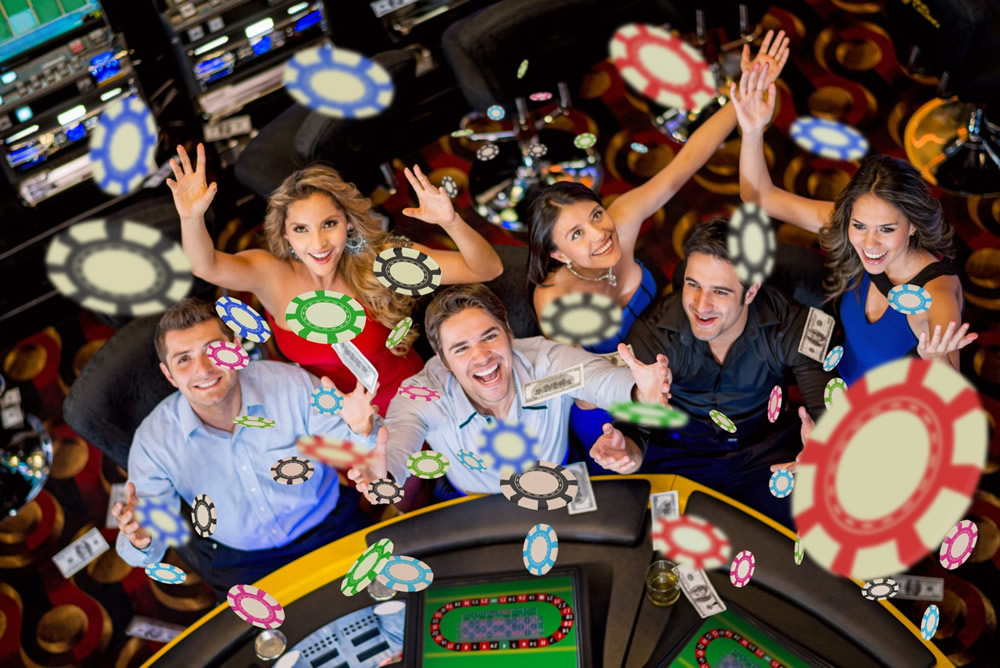
In Europe, casinos often reflect a blend of historical architecture and modern gaming technology. Countries like Monaco and France have established a reputation for glamour, drawing in high rollers from around the world. The elegant design and rich history of these venues create an alluring ambiance, emphasizing sophistication. However, in Eastern Europe, newer gaming establishments are emerging, appealing to a younger demographic while incorporating local cultural elements, thus diversifying the overall casino landscape.
Furthermore, Asia has seen a remarkable rise in the popularity of casinos, particularly in countries like Macau and Singapore. These destinations have transformed into entertainment hubs, featuring expansive resorts that combine gaming with shopping, dining, and live performances. Unlike the traditional gambling focus, these casinos promote a holistic experience, reflecting cultural values that prioritize family and social interactions. This evolution demonstrates how casinos adapt to meet the varying cultural expectations of their patrons.
Cultural Influences on Casino Design
The design of casinos often embodies the cultural essence of their locations. In many Western countries, casinos are designed to be visually stunning, with grand interiors and elaborate themes. For instance, the Venetian in Las Vegas replicates the canals of Venice, allowing guests to experience a slice of Italian charm amidst gambling. This kind of thematic representation is less common in Asian casinos, where the design may lean towards creating an atmosphere of tranquility and harmony, drawing on local philosophies such as Feng Shui.
In contrast, Australian casinos frequently reflect a laid-back, relaxed vibe, resonating with the casual lifestyle prevalent in the country. The Crown Casino in Melbourne, for instance, showcases not only gaming facilities but also art galleries, restaurants, and event spaces that highlight Australian culture. This multifunctional approach stands in stark contrast to the more singular focus on gaming seen in some other regions, emphasizing a broader cultural narrative.
The cultural representation extends beyond architectural design into the operational aspects of casinos. For example, in Indian casinos, games are often infused with local traditions and customs. Poker tournaments may be accompanied by traditional music and dance, creating an immersive experience that bridges gaming and cultural heritage. This cultural integration enriches the overall casino experience, attracting a diverse range of players who appreciate both gaming and their local culture.
Gambling Regulations and Their Cultural Impact
The regulatory environment surrounding casinos varies greatly around the world, significantly influencing the gambling experience. In the United States, the state-by-state approach to gambling regulations leads to diverse casino landscapes; some states embrace a more relaxed framework, while others impose stricter restrictions. This regulatory variance shapes the cultural perception of gambling, where some regions view it as a form of entertainment, while others may regard it with skepticism or even disdain.
In many parts of Asia, gambling is heavily regulated or outright prohibited, influencing how and where it takes place. Countries like Japan have recently begun to embrace integrated resorts, recognizing the potential for economic growth through regulated casinos. This shift reflects changing societal attitudes towards gambling, indicating a growing acceptance, which is often accompanied by a strong emphasis on responsible gaming practices. Such cultural shifts can significantly reshape the gambling landscape, encouraging new forms of entertainment.
Conversely, in countries with a long history of gambling, like Italy and France, regulations are well-established and have adapted to changes in societal norms. Here, the casino experience is often viewed as a social event, where patrons engage not only in gaming but also in dining and entertainment. This multifaceted approach to regulations serves to blend gambling with cultural traditions, enhancing the overall experience and integrating casinos into the social fabric of these nations.
Social Dynamics in Casino Environments
The social dynamics within casinos can vary dramatically, influenced by cultural attitudes towards gambling and social interaction. In many Western casinos, the environment encourages individual play, allowing patrons to engage at their own pace and comfort level. This often leads to a more solitary experience, with players focused on their games without much interaction beyond the occasional chat with staff or fellow players. The large-scale nature of these casinos fosters anonymity, allowing guests to immerse themselves in the games without feeling a sense of community.
In contrast, many Asian casinos often emphasize communal gaming experiences. Games like baccarat and Pai Gow encourage group participation, with players gathering around a table to share in the excitement. This communal aspect fosters camaraderie and interaction, with players often celebrating wins together or offering support during losses. Such social dynamics reflect the cultural importance of community and relationships in many Asian societies, where gaming is seen as a collective activity rather than just an individual pursuit.
Moreover, in regions where gambling is a relatively new phenomenon, such as parts of Eastern Europe, the social dynamics are still evolving. Younger generations are experimenting with casino visits as social outings, blending traditional social activities with gambling. This emerging culture reflects a growing acceptance and interest in casinos, highlighting how social dynamics are continually reshaped by evolving cultural attitudes towards gambling.

Exploring Casino Culture on Our Website
Our website serves as a comprehensive resource for understanding the intricate cultural contrasts in casino experiences around the globe. We provide insightful articles, expert opinions, and the latest news regarding casinos and gambling, helping readers navigate this dynamic landscape. Whether you’re interested in the lavish casinos of Las Vegas, the charming venues in Europe, or the rapidly growing markets in Asia, we aim to cover every aspect of the global casino scene.
We also delve into the stories behind casino cultures, exploring how local customs and societal norms shape the gambling experiences unique to each region. From the design elements to the regulatory frameworks and social interactions, our content reflects a deep understanding of how casinos function as cultural institutions. Join us in uncovering the multifaceted world of casinos and their cultural significance, providing you with knowledge and insights that enhance your understanding and appreciation of this vibrant industry.